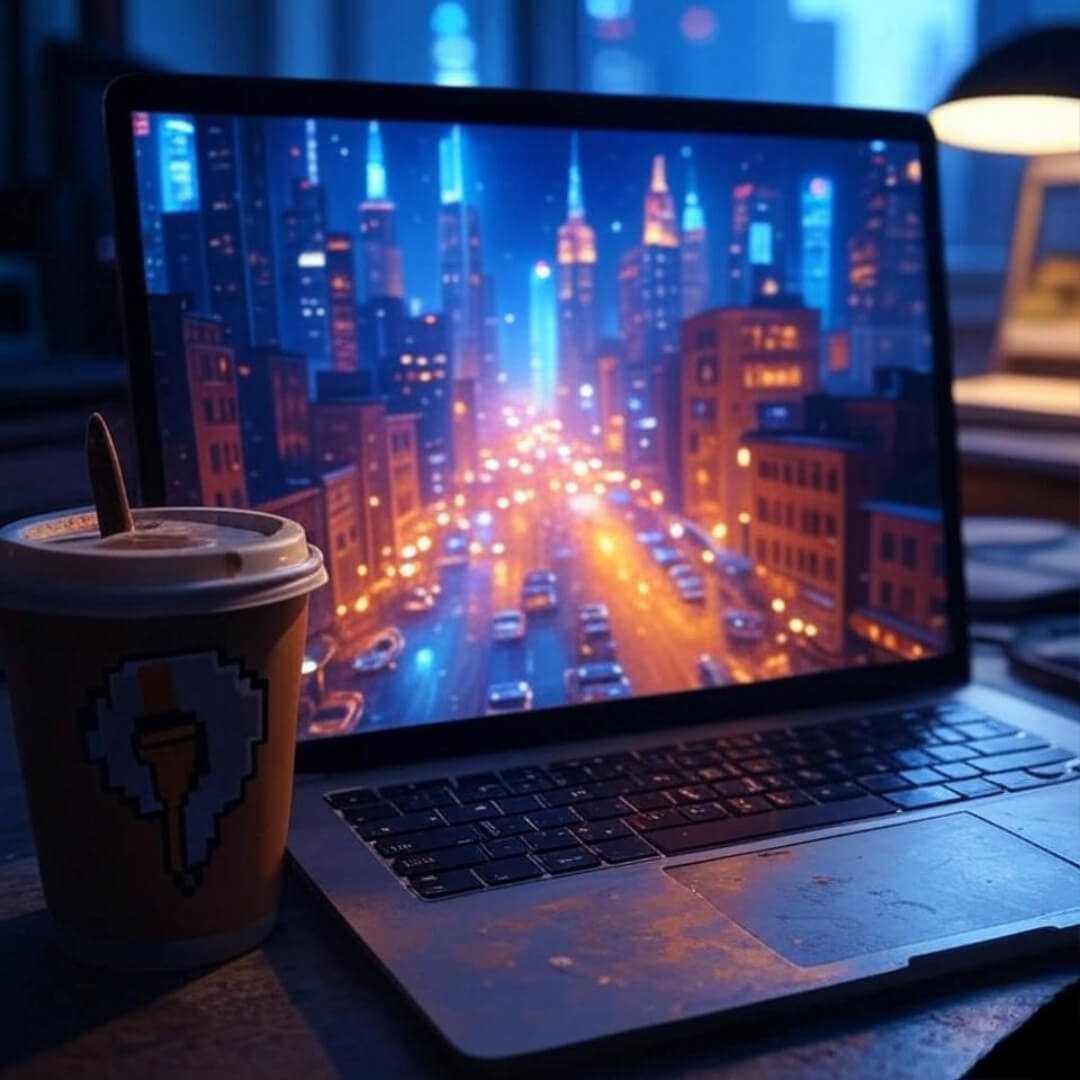
My Messy Journey to Generate Images From Text
Okay, so, generating images from text is, like, wild—a total game-changer for someone like me, who’s stuck in a tiny Brooklyn apartment, surrounded by half-dead plants and a flickering desk lamp that’s probably plotting my demise. I’m no artist, alright? My stick figures look like they’re having an existential crisis. But last week, I was sipping lukewarm coffee, scrolling X, and saw some dude post about turning random sentences into mind-blowing visuals with free AI apps. I thought, “Yo, I need this for my blog!”—because my posts were looking sadder than my bank account after rent.
Here’s the deal: I dove headfirst into these AI tools, and lemme tell you, it’s been a rollercoaster of epic wins and embarrassing flops. I’m writing this from my cluttered desk, with a bodega cat staring at me through the window, and I’m still buzzing from the thrill of seeing my words morph into images. If you’re like me—kinda broke, mildly chaotic, but itching to make your blog pop—stick with me. I’ll spill my unfiltered thoughts on the best free AI apps to generate images from text, plus my dumb mistakes so you don’t repeat ‘em.
My Messy Journey to Generate Images From Text
So, picture this: I’m trying to write a blog post about urban gardening (don’t judge, I’m trying to keep my basil alive). I needed a header image that screamed “grungy city vibes but, like, hopeful.” Stock photos? Nah, too generic. Hiring an artist? My wallet laughed at me. Then I found these free AI tools that let you Generate Images From Text, and I was hooked. Like, I typed “gritty rooftop garden with neon lights and a hopeful sunrise” into one of these apps, and boom—a visual that looked like it belonged in a sci-fi movie. I felt like a wizard, even if my prompt was kinda cringey.
These tools use crazy tech like GANs (Generative Adversarial Networks, if you wanna sound smart at parties) to turn your words into art. I learned that from a deep dive on Brain Pod AI’s guide—super helpful for understanding the nuts and bolts. But honestly, it’s less about the tech and more about how it makes you feel like you’ve unlocked a superpower. You just type a vibe, tweak a few settings, and suddenly your blog’s got visuals that don’t suck.

My Top Free AI Apps to Generate Images From Text
Alright, let’s get to the good stuff. I’ve burned way too many hours testing these tools, so here’s my take on the best free ones for 2025, based on my very unscientific, caffeine-fueled experiments:
- Adobe Firefly: This one’s part of Adobe’s Creative Cloud, and it’s dope for beginners like me. I typed “cyberpunk alley with a stray cat” and got a sleek image I used for a post about city life. The free tier gives you 25 credits (about 100 images), but you gotta play with negative prompts to avoid weird artifacts. Check their official site for more.
- Canva’s Magic Media: Canva’s my go-to for quick designs, and their AI image generator is clutch. I made a quirky blog header with “retro diner with floating pancakes” in, like, 10 seconds. It’s integrated into Canva, so you can edit right there. Peek at Canva’s AI tools for details.
- OpenArt: This one’s my favorite for artsy vibes. I tried “surreal desert with glowing cacti” and got something straight out of a dream. It’s got style options like hyper-realistic or abstract, which I love messing with. Their site has a free tier that’s generous enough for my broke self.
Each one’s got its quirks—Adobe’s polished but limited, Canva’s fast but basic, and OpenArt’s creative but sometimes buggy. I learned the hard way that vague prompts like “cool art” get you garbage. Be specific, or you’ll end up with, like, a neon blob instead of a masterpiece.
Tips for Nailing Prompt Engineering (From My Many Fails)
Speaking of prompts, let me confess: my first attempts at generating images from text were tragic. I typed “pretty landscape” into OpenArt and got a muddy mess that looked like my cat barfed on a canvas. Lesson learned—prompt engineering is everything. Here’s what I figured out, mostly through trial and error in my dimly lit apartment:
- Be Stupidly Specific: Instead of “forest,” try “misty pine forest with golden sunlight filtering through branches.” I got a way better result when I added details like “moody fog” or “vintage Polaroid vibe.”
- Use Negative Prompts: These are lifesavers. I added “no blurry edges, no extra limbs” to avoid creepy AI glitches. Vertu’s guide has solid tips on this.
- Play with Styles: Most apps let you pick styles like “photorealistic” or “watercolor.” I went overboard with “80s synthwave” for a post about nostalgia and, honestly, no regrets.
- Iterate Like Crazy: If the image isn’t perfect, tweak your prompt and try again. I spent an hour obsessing over “futuristic city with flying cars” until it matched my vision.

My Biggest Screw-Ups (And How to Avoid Them)
Look, I’m not gonna pretend I’m some AI art guru. I’ve made every mistake in the book. Once, I spent 20 minutes generating a “cozy bookstore” image, only to realize I forgot to specify “no people,” and it looked like a zombie apocalypse in there. Another time, I got so excited about Canva’s Magic Media that I blew through my free credits in a day. Here’s how to not be me:
- Read the Fine Print: Free tiers have limits. Adobe Firefly’s 25 credits sound like a lot, but they go fast if you’re generating high-res images.
- Check for Bias: Some tools spit out weirdly stereotypical images. I asked for “scientist” and got a dude in a lab coat every time. Mix up your prompts to keep it diverse.
- Save Your Work: I lost a killer image because I didn’t download it before my session timed out. Now I save everything, like a digital hoarder.
Ethical Stuff I Didn’t Expect to Care About
Okay, real talk: I didn’t think about ethics when I started this. I was just stoked to generate images from text for free. But then I read on Junia AI’s blog about copyright risks and data privacy, and it hit me. These tools train on massive datasets, and sometimes they spit out stuff that looks suspiciously like someone else’s art. Plus, there’s the whole “AI bias” thing—my “urban professional” prompt kept giving me suits in skyscrapers, which felt kinda narrow.
I try to be mindful now, sticking to original prompts and checking if the output feels too close to existing art. It’s not perfect, but I don’t wanna be the guy who accidentally rips off an artist while blogging about my sad basil plant.

Wrapping Up This AI Art Adventure
So, yeah, generating images from text has been a wild ride. I’m sitting here, surrounded by empty coffee cups and a cat that’s judging my life choices, but I’m stoked. These free AI apps—Adobe Firefly, Canva, OpenArt—have turned my boring blog posts into something people actually wanna look at. Sure, I’ve had my share of flops (RIP my zombie bookstore), but the wins? They’re worth it. My advice? Dive in, play with prompts, and don’t be afraid to mess up. It’s all part of the chaos.
Call to Action: Try one of these tools for your next blog post. Seriously, just pick one, type a random idea, and see what happens. Drop your favorite AI-generated image in the comments or on X—I wanna see what you come up with!