Upscale Low-Quality Images Using AI – No Photoshop Needed!
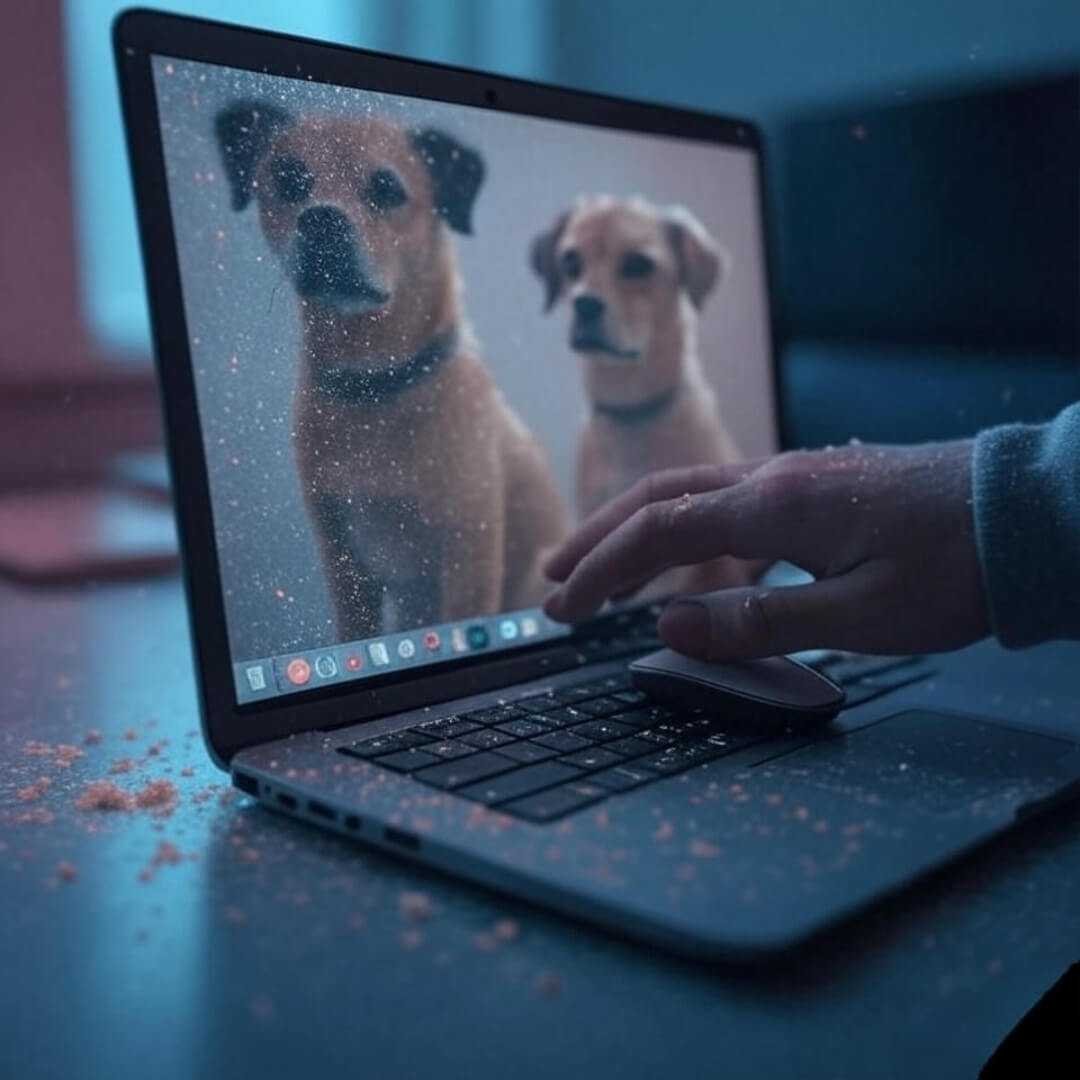
Okay, so AI image upscaling totally blew my mind this week, and I gotta spill the tea. I’m sitting in this noisy coffee shop in Seattle—rain’s pattering outside, my latte’s half-gone, and my laptop’s got this grainy old photo of my dog, Rufus, from 2012, looking like a pixelated blob. I’m no tech bro, but I stumbled into this AI tool that sharpened that blurry mess into something I’d frame. No Photoshop, no fancy skills, just me fumbling through some clicks. Seriously, how is this even real? Let me take you through my chaotic journey of enhancing low-quality images with AI, complete with my dumb mistakes and a few “whoa” moments.
Why AI Image Upscaling Feels Like Magic (But I’m Still Skeptical)
I’m not gonna lie—when I first heard about AI image upscaling, I thought it was some overhyped tech nonsense. Like, c’mon, can a computer really fix my crummy phone pics from 2009? I was digging through a shoebox of memories last weekend, here in my tiny apartment, and found this old photo of me at a high school dance. Total disaster—grainy, blurry, and my awkward braces smile barely visible. I figured, why not try this AI stuff? I hopped on a site like Let’s Enhance—no affiliation, just what I used—and uploaded the pic. In like 10 seconds, it was sharper than my memory of that night. But, real talk, I was half-waiting for it to crash or turn my face into a creepy AI-generated nightmare.
Here’s what I learned about how this works (and I’m no expert, so bear with me):
- AI uses something called neural networks to “guess” missing details in low-res images.
- It’s like teaching a computer to paint in the gaps, but way smarter than my doodles.
- Tools like Topaz Gigapixel AI or Upscayl (free, open-source, and my vibe) analyze patterns to enhance low-quality images.
- It’s not perfect—sometimes it over-sharpens, and I got this weird halo around Rufus’s ears once.

My First Time Upscaling: A Hot Mess of Trial and Error
So, picture me last Tuesday, sprawled on my couch with chip crumbs on my shirt, trying to upscale this photo of my grandma’s old house. The original was so pixelated it looked like Minecraft. I used Upscayl, ‘cause it’s free and I’m cheap. First attempt? Total fail—I picked the wrong settings, and the house looked like a cartoon. I was like, “Seriously? Did I just make it worse?” But after some YouTube tutorials—shoutout to TechQuickie’s video on AI upscaling—I figured out you gotta tweak the “upscaling factor” (2x or 4x, not 16x unless you want chaos). By the third try, the photo was so clear I could see the peeling paint on the porch. I almost cried, no cap.
Here’s my totally non-expert advice for AI photo enhancement:
- Start with a free tool like Upscayl to avoid blowing cash on something you might mess up.
- Don’t go overboard with upscaling—4x is usually enough unless you’re restoring a postage stamp.
- Check the lighting first; AI can’t fix a photo that’s basically just darkness.
- Save your original, ‘cause you might hate the AI’s “improvements” (learned this the hard way).
When AI Image Upscaling Goes Wrong (And It Did)
Okay, let’s talk about the time I tried upscaling a group pic from a 2015 beach trip. I’m in this dive bar in Portland right now, sipping a flat IPA, and just thinking about it makes me cringe. The photo was low-res, taken on my old flip phone, and we’re all sunburned and squinting. I ran it through Let’s Enhance, expecting miracles. Instead, the AI gave my buddy Jake this weird, plastic-smooth face like a bad Snapchat filter. I was like, “Bro, you look like a mannequin!” We laughed, but I was low-key annoyed. Turns out, sharpening blurry photos doesn’t always work if the original is too far gone. AI’s not a wizard—it’s more like a really smart intern who sometimes screws up.

Tips to Avoid My Dumb Mistakes in AI Image Restoration
I’ve made every mistake in the book, so you don’t have to. Here’s what I wish I knew before diving into AI image upscaling:
- Pick the right tool for your vibe. Free options like Upscayl are great for beginners, but if you’re serious, Topaz Gigapixel AI has more control (and a price tag).
- Start small. Don’t try to upscale a 100×100 pixel image to 4K—it’ll look like modern art, and not in a good way.
- Check the output. Zoom in to make sure the AI didn’t add weird artifacts (like that halo around Rufus’s ears).
- Experiment with settings. Most tools let you adjust sharpness or noise reduction—play around till it feels right.
Also, pro tip: if you’re in a rush, sites like Fotor have one-click options for enhancing low-quality images. I used it in a Starbucks last week when I needed a quick fix for a work presentation, and it was stupidly easy.
Why I’m Obsessed with AI Image Upscaling (Despite the Fails)
I’m not gonna pretend I’m some tech genius—I’m just a dude in a flannel who loves old photos and hates blurry memories. AI image upscaling feels like uncovering buried treasure. Like, I upscaled this pic of my mom from the ‘90s, and suddenly I could see the tiny earrings she always wore. It’s not perfect, and yeah, I’ve had my share of flops (sorry, Jake’s mannequin face). But sitting here, with the smell of burnt coffee and rain-soaked jackets in the air, I’m kinda stoked about how far this tech has come. It’s like giving my past a glow-up without needing a PhD in Photoshop.

Wrapping Up My AI Image Upscaling Adventure
So, yeah, that’s my messy, caffeine-fueled journey into upscaling images online. I’m no pro, just a guy who spilled latte on his keyboard and still managed to make his old photos look dope. If you’ve got some blurry pics collecting dust, give AI a shot. Start with something free like Upscayl, mess around, and don’t be afraid to screw up—it’s half the fun. Got any old photos you wanna revive? Drop a comment or hit me up on X—I’m curious to hear your stories. Now, I’m off to finish this latte before it gets colder than my apartment.